
Should I Trade-In or Sell My Car Privately to Get the Best Price?
Deciding whether to trade in your current vehicle or sell privately is one of the most important steps when buying a new vehicle in Pawtucket. This choice affects your purchase price, taxes, time spent, and the net cash you receive. The right strategy depends on your priorities: speed and convenience from a dealership trade-in, or potentially higher selling price and more control when you sell your car privately. This guide helps Pawtucket car buyers weigh trade-in vs private sale, value your trade, and maximize your trade-in value so you can make an informed decision.

Is selling privately often worth the extra effort to get top dollar?
Selling a car privately generally yields a higher selling price compared with trading in at a dealership. Private buyers are often willing to pay more because they avoid the dealership markup; this means selling your vehicle privately can translate to top dollar for a well-maintained car. Use online tools like Kelley Blue Book or Edmunds to set a realistic asking price and understand how much your car is worth in the current market.
Keep in mind selling privately requires time for listing, scheduling test drives, negotiating with potential buyers, and handling the title transfer and bill of sale. If you want to sell your car fast, a private sale may not be the quickest way to sell. However, for sellers who can handle minor repairs and clean the car to appeal to private buyers, the higher selling price often offsets the extra effort.
What are the advantages of trading in at a dealership compared to a private sale?
Trading your car at a dealership offers convenience and speed. When trading in a vehicle, the dealership typically handles the trade-in process, appraisal, title transfer, and sometimes offers a tax benefit by applying your trade-in value against the purchase price of the new car, lowering the sales tax in many states. For buyers focused on a seamless trade-in process, dealerships and auto groups make it easy to trade in your car and walk away with a new vehicle in one transaction.
However, dealerships are businesses looking to resell at profit, so trade-in value is usually lower than the potential private sale price. If getting the best price is your priority and you can afford time, selling privately may produce a higher net return. If you value time savings, less paperwork, and the convenience of a single transaction with a car dealership, trading in at a dealership may be the better choice.
How can I accurately value my trade using tools like Kelley Blue Book?
To value your trade, start with trusted online tools like Kelley Blue Book or Edmunds, which provide a market value and private party value for similar used cars. Input your car’s make, model, year, mileage, condition, and options to receive an estimated trade-in value and private sale price. These tools help you understand the difference between trade-in vs selling privately and how much your car is worth today.
Also compare local market listings for used vehicles similar to yours to see asking prices and how quickly cars sell in Pawtucket and the surrounding Rhode Island market. Combine appraisal numbers from multiple sites and a dealer appraisal to determine a realistic target for either trading in your car or selling the vehicle privately.
What repairs and preparations maximize your trade-in value or selling price?
Minor repairs and thorough detailing can increase the value of your car whether you sell privately or trade it in. Fixing obvious maintenance items, replacing burned-out bulbs, addressing minor dents, and getting a fresh oil change can make your car more attractive to private buyers and dealers. A well-maintained car with a documented service history usually commands a better price and faster sale.
For cost-sensitive sellers, weigh the repair cost against the expected increase in sale price. Sometimes small investments yield big returns—replacing tires or brakes can increase buyer confidence and the perceived value. If selling to a dealer, ask whether the trade-in value increases after specific repairs; if not, selling privately after making improvements may be a better route to get the best price.
How does mileage and condition affect the trade-in value and private sale price?
Mileage and condition are among the strongest factors determining the value of your car. Low-mileage, well-maintained cars fetch higher private party values and better trade-in offers. High mileage lowers both the market value and the attractiveness to private buyers, which can make trading in at a dealership a more convenient option despite receiving less money.
Be transparent about condition and mileage in listings and during dealer appraisals. For private sale, full disclosure builds trust with potential buyers and reduces negotiation time. For dealerships, accurate information helps you get a fair appraisal. In either case, highlight recent maintenance and any service records to improve the perceived value of your trade-in or private sale.
Will trading in my car help reduce the sales tax on my next car purchase?
One financial advantage of trading in a vehicle at a dealership can be a tax benefit: in many states, the trade-in value reduces the taxable amount on the purchase of a new vehicle. This means you may pay less sales tax when you trade in your current vehicle compared to selling it privately and then buying a new vehicle separately. This tax benefit can sometimes offset the lower trade-in value from the dealership.
Check Rhode Island tax laws and ask local Pawtucket dealerships about how trade-in values apply toward sales tax and the purchase price. Getting the tax benefit explained and calculated during the negotiation gives you a clearer picture of whether trading in vs selling privately will leave you ahead financially.
How do I prepare paperwork like title transfer and bill of sale for selling privately?
Selling a car privately requires careful attention to paperwork: you’ll need the title transfer, a bill of sale, maintenance records, and possibly a release of liability depending on Rhode Island requirements. Ensure the title is clear and that you complete a proper bill of sale that documents the sale price, odometer reading, and the names and signatures of both buyer and seller. Use templates from trusted sources or state DMV forms to avoid issues.
Dealerships handle most of this paperwork when you trade in your car, which is a major convenience factor. If selling privately, prepare all documents in advance to speed up the transaction and reduce buyer concerns. Always verify the state-specific steps for title transfer and any required emissions or safety inspections before completing a private sale.
What negotiation strategies should I use when selling to a private buyer versus a dealer?
When selling privately, set an asking price above your target to allow room for negotiation, but be realistic by using Kelley Blue Book private party values and local listings. Emphasize the vehicle’s well-maintained status, inspection reports, and any warranty or recent repairs. Schedule test drives, meet in safe public locations, and pre-screen potential buyers to avoid wasting time.
When negotiating with dealerships or auto groups, understand that their initial offer is often below the vehicle’s market value. Ask for a detailed appraisal and be ready to counter with evidence: printed private sale ads, online valuation numbers, and repair records. Sometimes combining trade-in negotiation with the purchase price of your next car leads to a better overall deal—focus on the total purchase price, not just the trade-in value.
How long does the selling process take for a private sale compared to trading in at a dealership?
Selling your car privately can take anywhere from a few days to several weeks depending on condition, price, and market demand. Listing, responding to inquiries, scheduling test drives, negotiating, and completing paperwork requires time and patience. If time is limited and you need to sell quickly, trading your car in at a dealership is usually much faster—often completed in a single visit.
Consider your timeline when deciding whether to sell privately or trade in. If you need to buy a new vehicle immediately, trading in at a dealership may be the practical option. If you have time and want the best price, invest in a private sale strategy to maximize your return.
Can I combine selling privately and trading in to get the best outcome?
Yes. Some sellers test private sale offers to set a price floor, then present those offers to dealerships during negotiation to increase the trade-in value. You can also list the car privately while exploring dealer appraisals—if a private buyer appears with a strong offer, you can choose the higher payout. This blended approach gives flexibility and often helps you get top dollar whether you end up selling privately or trading in.
Another hybrid tactic is to repair and detail the vehicle to maximize private selling value, then trade in if private sale interest is low. Being informed about the market value and having multiple appraisal points makes it easier to make an informed decision that aligns with your priorities: best price, speed, or convenience.
What final steps should Pawtucket buyers take to make an informed decision about trading in or selling privately?
Before deciding, get multiple valuations: use tools like Kelley Blue Book or Edmunds, get at least one dealer appraisal at a local car dealership or auto group, and check comparable listings for used vehicles in Pawtucket. Create a simple spreadsheet comparing net proceeds after costs, including minor repairs, listing fees, time spent, and potential tax benefit from trading in.
Decide what matters most: If you want the highest selling price and can manage the selling process, selling your vehicle privately is often the best way to get top dollar. If you prioritize convenience, speed, and potential tax savings on your next car purchase, trading in at a dealership could be the smarter route. Make an informed decision by weighing market value, paperwork, and personal priorities.
Summary: Key takeaways for Pawtucket car buyers
- Sell privately often yields the highest selling price but requires more time, paperwork, and effort.
- Trading in at a dealership offers convenience, faster transactions, and potential sales tax benefits on your next vehicle.
- Use tools like Kelley Blue Book or Edmunds to value your trade and compare private party vs trade-in values.
- Minor repairs, thorough maintenance records, and professional detailing help maximize your trade-in value or private sale price.
- Consider mileage, condition, and local market demand when setting your asking price or negotiating with dealers.
- Prepare title transfer, bill of sale, and other paperwork in advance for a smooth private sale.
- Get multiple appraisals—private listings, dealer offers, and online tools—to make an informed decision.
- Weigh the tax benefit of trading in against the higher selling price you might net from selling privately.
Ultimately, whether you decide to trade in your car or sell it privately depends on your priorities: get the best price versus speed and convenience. If you’re buying a new vehicle in Pawtucket and want professional help with trading in a vehicle or exploring private sale options, consider Accurate Automotive Sales, a used car dealership in Pawtucket, RI. They can help evaluate trade-in value, explain sales tax benefits, and assist you in getting top dollar for a well-maintained, used vehicle. Whether you decide to sell privately or sell to a dealer, understanding market value, using tools like Kelley Blue Book, and preparing your car with minor repairs will help you maximize your trade-in value and get the best price for your current vehicle.
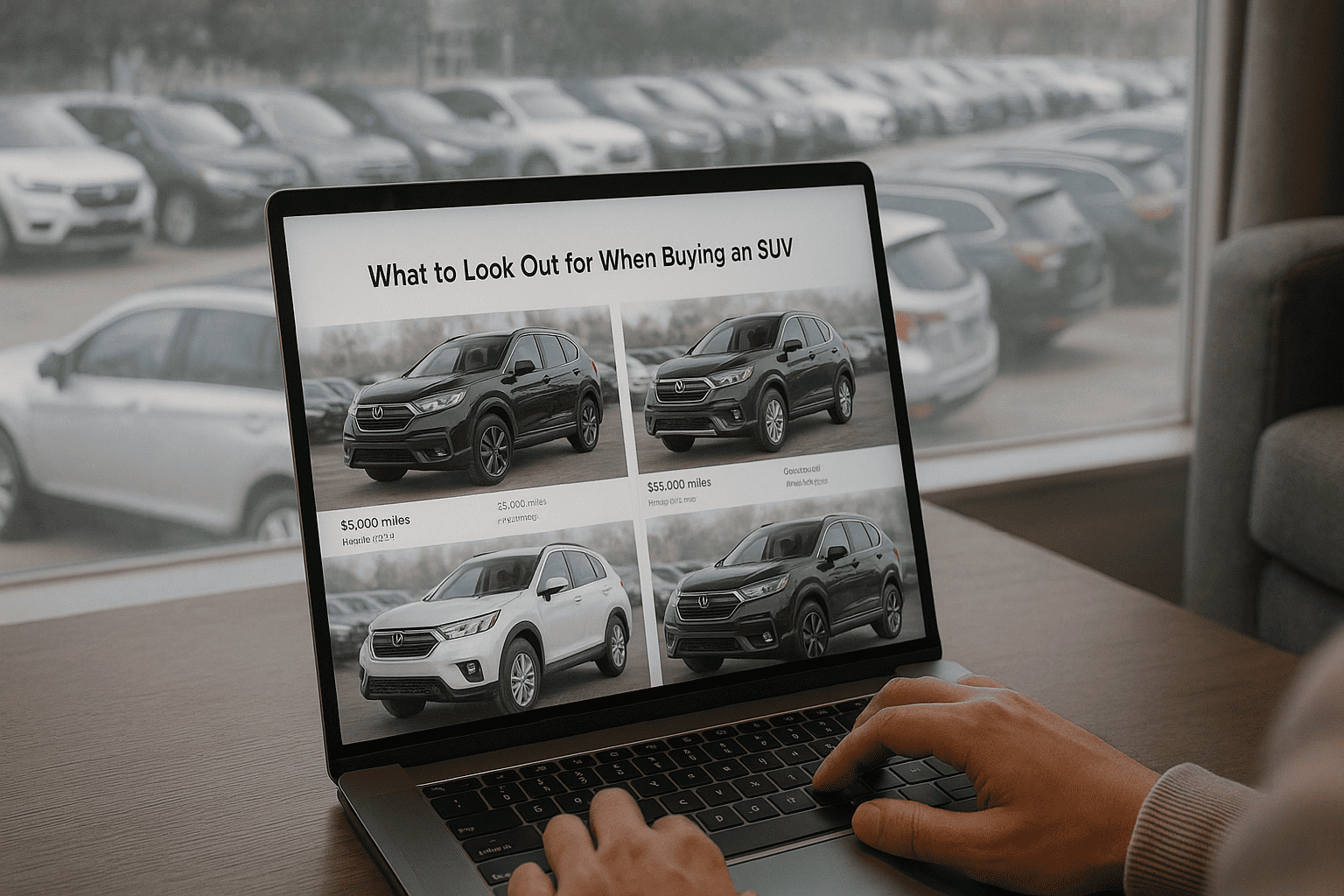
What to Look Out for When Buying an SUV
Buying an SUV in the U.S. is a significant investment, and it’s crucial to approach this decision with careful consideration. With the growing popularity of SUVs, the market is flooded with numerous options, from compact SUVs to large SUVs, each offering different features and capabilities. Understanding what to look out for when purchasing an SUV can help you make a sound decision that fits your lifestyle and budget.
What Are the Different Types of SUVs Available?
The SUV category includes various types, such as compact SUVs, midsize SUVs, and full-size SUVs. Compact SUVs are ideal for urban driving, offering a balance of space and maneuverability. Midsize and full-size SUVs typically provide more interior space, making them suitable for families or those needing extra cargo capacity. Understanding the differences between these types of SUVs is essential when deciding which vehicle best suits your needs.
Additionally, consider crossover SUVs, which blend the features of passenger cars and traditional SUVs. They often provide better fuel economy and handling, making them a popular choice among buyers looking for versatility without sacrificing comfort.
How Important Is Fuel Economy When Buying an SUV?
Fuel economy is a significant factor to consider when purchasing an SUV, especially with rising fuel prices. Newer models often come equipped with more efficient engines and hybrid options, such as plug-in hybrids, that can greatly reduce fuel consumption. This can lead to substantial savings over time, making it a worthwhile consideration.
When evaluating fuel economy, look for the manufacturer’s ratings on miles per gallon (MPG) for both city and highway driving. Additionally, many SUVs now offer features like start-stop technology that can improve fuel efficiency further.
What Safety Features Should You Look For?
Safety is paramount when buying an SUV. Look for models equipped with advanced safety features, such as adaptive cruise control, lane departure warning, and automatic emergency braking. These systems can significantly enhance your driving experience and provide greater peace of mind on the road.
Check for the SUV’s safety ratings from organizations like the National Highway Traffic Safety Administration (NHTSA) and the Insurance Institute for Highway Safety (IIHS). This data can help you compare the safety of different SUVs and choose a reliable vehicle.
How Does Cargo Space Affect Your Decision?
Cargo space is a vital consideration when buying an SUV. Depending on your lifestyle, you may need ample cargo room for sports equipment, luggage, or groceries. SUVs vary widely in cargo capacity, so make sure to check the specifications of each model.
Many SUVs also offer flexible seating configurations, such as 3-row seating, which can enhance cargo space when the third row is not in use. Consider how often you will need additional seating versus cargo space to determine the right SUV for your needs.
Should You Buy a New or Used SUV?
Deciding between a new or used SUV depends on budget and personal preferences. New SUVs come with the latest features, warranties, and improved fuel economy, but they also come with a higher price tag. In contrast, used SUVs can provide exceptional value, especially if you choose a reliable used SUV that won’t require extensive repairs.
When considering a used SUV, examine its history report for accidents, maintenance records, and previous ownership. This information can help ensure you are making a sound investment.
What Are the Best SUVs for 2025 in the US?
As the SUV market evolves, new models are consistently being introduced. For 2025, some of the best SUVs are expected to include advanced technology, improved fuel efficiency, and enhanced safety features. Keep an eye out for rankings that highlight the top performers in the SUV category
Researching upcoming models can give you insights into the best new options available, helping you to make an informed decision when the time comes to buy an SUV.
How Do Towing Capacities Factor into Your Choice?
If you plan to use your SUV for towing, it’s essential to check the towing capacities of various models. SUVs vary significantly in their ability to tow trailers, boats, or other equipment, so ensure the model you choose meets your towing needs.
Many SUVs come with towing packages that enhance their capabilities, including features like trailer sway control and integrated towing hitch receivers. Be sure to consider these options if towing is a priority for you.
What Features Are Considered Standard in Modern SUVs?
When shopping for an SUV, it’s essential to understand the long list of standard features that come with modern models. Many SUVs now include advanced infotainment systems, smartphone connectivity, and driver-assistance technologies as standard offerings.
Make sure to compare the standard features across different models to ensure you are getting the best value for your money. Features like premium audio systems, heated seats, and advanced navigation can make a significant difference in your overall driving experience.
How Do the Best Luxury SUVs Differ from Standard Models?
Luxury SUVs provide a different experience compared to standard models, offering superior interior quality, advanced technology, and enhanced performance. If you are considering a luxury midsize SUV or a luxury large SUV, look for features like premium leather upholstery, advanced sound systems, and superior handling.
Luxury SUVs often come with a higher price point, but they can provide the best balance of comfort, performance, and technology, making them worth the investment for some buyers.
What Should You Consider for Off-Road Capabilities?
If you plan to take your SUV off-road, consider models specifically designed for off-road use. Look for features like all-wheel drive, skid plates, and off-road driving modes that enhance performance in rugged terrains.
Many manufacturers offer off-road packages that include specialized tires and enhanced suspension systems. Research the capabilities of various models to ensure you find an SUV that can handle your off-road adventures
Summary of Key Takeaways
- Familiarize yourself with the various types of SUVs and their specific features.
- · Evaluate fuel economy to save on long-term costs.
- · Prioritize safety features and check ratings before purchasing.
- · Consider cargo space and seating configurations based on your needs.
- · Decide between new and used SUVs based on your budget.
- · Look into the top SUVs for 2025, as well as upcoming models, to stay ahead of the curve
- · Check towing capacities if you plan to tow with your SUV.
- · Compare standard features across different models for value.
- · Explore luxury SUV options for high-end features and comfort.
- · Assess off-road capabilities if you intend to venture into rugged areas.
As you start your search for the ideal SUV, think about stopping by Accurate Automotive Sales, a reliable used car dealership in Pawtucket, RI. They offer a wide selection of reliable used SUVs that are perfect for your needs, along with expert advice on the best options available. Whether you’re interested in a compact SUV, a luxury midsize SUV, or the best SUVs for 2025, Accurate Automotive Sales is here to help you find the right vehicle.
Best Used Cars for New Drivers
Choosing the right car for new drivers is crucial, as it can significantly impact their driving experience and safety on the road. With a variety of options available in the used car market, finding the best used cars that combine reliability, safety features, and affordability is essential for parents and teen drivers a like.
What Are the Best Used Cars for New Drivers?
When searching for the best used cars for new drivers, it’s important to focus on reliability and safety ratings. According to consumer reports, vehicles such as the Honda Civic and Toyota Corolla consistently receive good ratings in four IIHS categories, making them excellent choices. These models are known for their fuel economy, reliability, and overall user satisfaction, ensuring both parents and teens can feel confident behind the wheel.
Additionally, sedans like the Hyundai Elantra and Ford Focus are also recommended used vehicles that provide good gas mileage and essential safety features, including automatic emergency braking systems. These cars not only meet the requirements for teen drivers but also come with affordability in mind.
Why Is Reliability Important for New Drivers?
Reliability is a key factor when selecting a used vehicle, especially for new drivers who may not have extensive experience with vehicle maintenance. A dependable used car minimizes the chance of breakdowns and helps ensure smooth, trouble-free performance. Vehicles from reputable manufacturers like Toyota, Honda, and Subaru often receive superior ratings from the IIHS, making them some of the safest choices for new drivers.
Moreover, reliable used cars tend to have lower insurance rates, which is a significant consideration for parents of teen drivers. Choosing a vehicle that has proven reliability helps to minimize unexpected costs and provides peace of mind for both parents and young drivers.
What Safety Features Should New Drivers Look For?
Safety features are paramount for new drivers. The Insurance Institute for Highway Safety (IIHS) advises choosing vehicles that feature advanced safety technologies. Standard features to consider include:
- Automatic emergency braking
- Stability control
- Forward collision warning
- Pedestrian detection systems
These systems help in crash prevention and enhance the overall safety of the vehicle. Vehicles that receive advanced or superior ratings in IIHS safety tests can be especially beneficial for new drivers, offering added confidence and protection on the road.
Are SUVs Good Options for New Drivers?
SUVs can be excellent options for new drivers due to their size and visibility on the road. Larger SUVs often provide a sense of security and stability that many new drivers appreciate. However, selecting models with strong safety ratings and reliable features is crucial. Vehicles like the Honda CR-V and Subaru Forester are recommended used SUVs that are known for their reliability and safety.
Additionally, small SUVs such as the Mazda CX-3 and Ford EcoSport are great for new drivers looking for a compact vehicle with good fuel economy. These vehicles strike a balance between size, safety, and efficiency, making them ideal for teen drivers.
How Do I Find Good Ratings in IIHS for Used Cars?
To find good ratings in IIHS for used cars, visit the official IIHS website, where you can search for specific models and their safety ratings. The ratings are based on various crash tests, including driver-side small overlap front tests and roof strength evaluations. Look for vehicles that have received a top safety pick designation, as these have demonstrated superior safety performance.
Additionally, consumer reports provide valuable insights into the reliability and safety of used models, making it easier to narrow down the best choices for new drivers. Ensuring that a vehicle has good or acceptable ratings in four IIHS categories is crucial for safety-conscious buyers.
What Are Some Recommended Used Vehicles for Teen Drivers?
Several vehicles stand out as recommended used options for teen drivers. Here’s a list of some of the best used cars:
- Honda Civic—Known for its reliability and fuel efficiency.
- Toyota Corolla—Offers excellent safety ratings and low maintenance costs.
- Hyundai Elantra—Features a comfortable ride and advanced safety features.
- Ford Focus—Provides a fun driving experience with good safety ratings.
- Subaru Impreza – Comes standard with all-wheel drive and high safety ratings.
These models are not only reliable but also provide essential safety features that are crucial for new drivers. By choosing one of these recommended vehicles, parents can feel confident that their teen driver is safely navigating the roads.
What Model Year Should I Consider for Used Cars?
When considering used cars for new drivers, it’s wise to look for models from the 2016 model year onward. Vehicles from these years typically come equipped with the latest safety features and technology, which can enhance the driving experience for new drivers. Additionally, newer model years often have better fuel economy ratings, making them more cost-effective over time.
Older models, such as those from the 2012 model year, may lack advanced safety features like automatic emergency braking and collision warning systems. Therefore, focusing on more recent model years ensures that new drivers have access to the best safety technologies available.
What Are the Best Used Minivans for New Drivers?
Minivans can also be a smart choice for new drivers, especially for those who need more space for family or friends. The Chrysler Pacifica and Honda Odyssey are two minivans that receive good ratings for safety and reliability. They offer ample cargo space, comfortable seating, and advanced safety features.
Both models come with features like rearview cameras and stability control, which are beneficial for new drivers. Choosing a minivan can provide a perfect blend of safety and practicality for teen drivers and their families.
Should I Consider Electric Cars for New Drivers?
Electric cars are becoming increasingly popular, and models like the Nissan Leaf and Chevrolet Bolt offer excellent options for new drivers. They provide good gas mileage and are often equipped with advanced safety features. Electric vehicles also tend to have a lower cost of ownership compared to traditional gas-powered cars.
However, it’s important to ensure that the electric car chosen has a good reputation for reliability and safety. Checking reviews and safety ratings will help in making an informed decision for teen drivers.
How Can Accurate Automotive Sales Help in Finding the Best Used Cars?
For those in Pawtucket, RI, Accurate Automotive Sales is a trusted used car dealership that specializes in finding the best used cars for new drivers. With a wide selection of reliable used vehicles, including sedans, SUVs, and minivans, they provide options that meet safety standards and budget requirements.
Their knowledgeable staff can assist in identifying vehicles that have advanced safety ratings and features, ensuring that teen drivers are well-equipped for the road. Whether you’re looking for a safe used car for your teen driver or seeking guidance on financing options, Accurate Automotive Sales is dedicated to helping families make informed choices.
- Choose reliable vehicles with safety features.
- Consider recent model years for advanced technologies.
- Look for good ratings from the IIHS and Consumer Reports.
- Explore a variety of body styles, including sedans, SUVs, and minivans.
- Visit Accurate Automotive Sales for expert advice and quality used cars.
Finding the best used cars for new drivers involves careful consideration of safety, reliability, and budget. By prioritizing these factors and utilizing resources like Accurate Automotive Sales, parents can help ensure their teen drivers have a safe and enjoyable driving experience.